Elementary Schools, Principals, Administrators, & School Counselors
School-Wide Program click here
• Do you want to help relieve teacher burn out?
• Do you want to increase family and community engagement?
• Do want to strengthen your social-emotional learning program?
• Do you want to bolster health education and academic achievement in a fun way?
Tested and Proven Effective
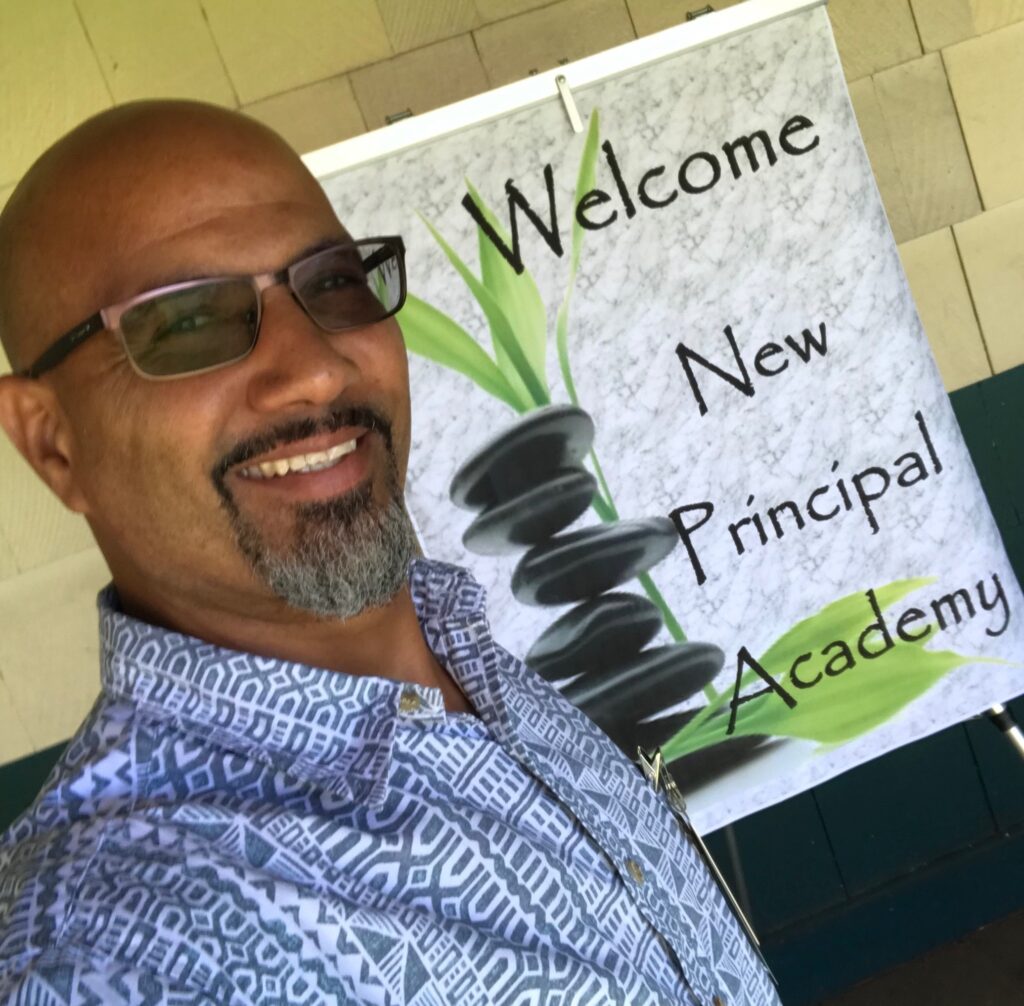
Listen to Principal Garcia’s Testimonial
Kohala Elementary, WTM Pilot School
Disclosure: The WTM success is also due to thanks of the principal and the many teachers and parents who got involved.
Bullying stopped school-wide, Principal Garcia of our pilot school, reported. Principal Garcia measured results by keeping track of the number of children sent to his office. As a school-wide program, parents and teachers also helped the children adapt “Home” to the school environment. In “Home,” children learned to center themselves and clarify their feelings through effective communication. As a result, compassion and peace spread school-wide.
Q & A
(√) Were Lessons Tested?
Yes! Strategies were tested for 8 years in North and South Kohala, Hawaii with four elementary schools, and with hundreds of children.
Methods were revised between 2006 and 2018 at our pilot school, Kohala Elementary School. The school has children from multicultural and low-income backgrounds. Over 500 children (in groups of 6-22 participants) ages 5-10 years old experienced the WTM lessons. Two other private schools tested out the lessons including Hawaii Preparatory Academy and Parker Elementary.
Principal Garcia’s shared the results show that the WTM methods include improvements in social-emotional behavior. He also highlighted academic achievement and the overall peaceful nature of the school culture.
Strategies are based on the Feldenkrais® method, called Awareness Through Movement ®. The “Home Breath” lesson was implemented in all the classrooms, at home, and in the principal’s office. Children learned to enhance their Sensory Body (SB) awareness in the Home Breath lesson. And children learned how to use the Home Breath in the classroom and a WTM physical education program (Part II).
The SB is not a thought; it is a feeling, a feeling of compassion. The SB helps clarify communication. It encourages active participation in self-directed learning. It also calms emotions. To get sustainable results see the “Long Track” the Get Sensational Attention program. There is also a short track for temporary results.
(√) What is so Different and Unique about this Program?
WTM methods utilize the concept of human development as a body with a brain. In research, an innate intelligence is not only in the body. It also involves the levels of how the mind is aware or unaware of the body’s intelligence. In WTM, children develop an awareness of the “container” that creates the sense of self. These thinking bodies of children are the living water of consciousness. Helping children become aware of their physical presence gives them insights into themselves, “who” they are, and how they learn.
What is the difference learning from the body-mind? The Feldenkrais® Method
1. (Learn From the Head) Read the material and translate the words literally. (Learn From the Body-Mind) Read the words, translate the words inwardly and outwardly, and feel their interdependence with the context.
2. (Learn From the Head) In pedagogy and neuro-cognition research, there is a large gap. The division is based on the “thinking person” and the “acting body.” (Learn From the Body-Mind) Re-imagine movement as the means of learning. Learning is motion in communication with the brain. Motion is the “bridge,” made of multi-sensory impulses, perception, arrangements of the body, and more. The body lays the foundation for what is heard and understood. Feel the lessons and children will learn from both the brain and body. When the learner becomes aware of how the body helps the brain, they show drastic improvements. It’s nature.
3. (Learn From the Head) Children are “feeling creatures that think, not thinking creatures that feel.” (Jill Bolte Taylor) (Learn From the Body-Mind) The body is where the brain gets information to form perception. From the body, the senses, emotions, and thoughts are synthesized together in an arrangement that helps form cognition and the sense of self.
The Uniqueness of the WTM Programs
- Develops awareness related to the body’s intelligence behind thinking, feeling, and learning
- Develops an internal spatial awareness to improve external spatial awareness (others) and listening
- Develops awareness of the synergistic relationship between attention, the body, and the circumstances
- Develops awareness of the relationship between physical bodily changes and changes in attitude and perception
- Most importantly, changes are sustainable when protocols are integrated into school culture, and at home.
Key Research Related to the Uniqueness of the Methods Used: Botvinick, 2004; Botvinick & Cohen, 1998; Ehrsson, Spence, & Passingham, 2004: Makin, Homes, & Ehrsson, 2008; Scientist WTM page
( √ ) Give me more Background on how WTM was Developed?
We were first invited into Hawaii Preparatory Academy (HPA) Elementary by Susie Jones, a physical education teacher at the time. After working at HPA, research was conducted on other mind-body training programs to determine whether any existed on the Sensory Body (SB). Finally, we tested (8 years) the lessons with different populations of children, below and above poverty, cognitive challenged, and gifted children.
Lessons were edited with both Feldenkrais® professionals and elementary teachers, and with parent feedback. The total time spent working on the program is now 20 years. (2005- 2025) See the complete Chronological Order of Development with Wellness Through Movement.
A Practical Guide to the WTM Method: Why It Works, How to Use It, and Where to Start
( √ ) What is the Science Behind the WTM Method?
We all know that we inhabit a physical body. However, many people are unaware of the wealth of knowledge held within these structures. Research on Body Ownership helps us understand why.
Understanding the body’s structure and how it moves is the key to effective learning. The foundation of the method is not just motion and attention, but what gets created between the two. The method utilizes the body as a means of cognitive development. The work of Dr. Moshe Feldenkrais, and his background combining physics, motion, and human development.
Unique to Dr. Moshe Feldenkrais, is a technique that enhances the natural flow of how the humans develop consciousness. Deeply woven into the body-mind is another sense beyond the six, the Sensory Body (SB). However, the SB is hidden from awareness and needs to be trained. The SB is not the body or the mind, but what happens between them. It is a feeling, it fuels compassion, it develops the self, and awareness of others.
The WTM methods provided on this site help give concrete ways children can engage with motion, attention, and the senses. An “awareness” can be trained to sense the anatomical relations from the body to the psyche. The psyche senses through the biophysical process of sensations, functions, and impressions. The sense of motion means the sense of sensations, subtle impulses, breath, and vibration of sound, not just physical action.
Muscular systems are affected with every activity we do, think, or feel. Motor patterns develop accordingly to repeated actions. The sensory impulses form a tractate from behavior. The very essence of the sensation of physical form lays the foundation for perception. In other words, what children feel movement organize to create how they perceive if they are trained.
Elementary schools have a rare and valuable window of opportunity. During these ages of development, the methods are most easily learned. The mind-body connection gets more challenging after the ego develops. For example, children eight years of age and older need a detailed understanding of the brain to the body. This topic is too complex to go into here, however, see the Book or the Scientist link, and again the Six Body To Brain Strategies talk is very in-depth.
Key Research: Body Ownership, Motion Perception, Multi-sensory Integration, Motor and Cognitive Development, Organizational Identity, Motor Learning, and Embodied Cognition.
( √ ) Can You Give Us Simple Steps to Introduce the Sensory Body (SB)?
The simpler “Short Track” of the “Get Sensational Attention“ (GSA) program takes only minutes to learn, however, you save time with the Long Track of GSA. Guaranteed!
Children who have a hard time feeling their bodies should do the lesson, ‘Personal Bubbles Freeze Dance‘ first. The game introduces children to feeling inside the body in a fun way of spatial awareness. More can be read here: lesson.
IMPORTANT: If you want sustainable results, follow the Long Track of Get Sensational Attention. Sustainable results mean improved mental, emotional health and academic achievement.
If teachers adapt the GSA program in the classroom atmosphere, the program becomes effortless within two weeks after completion. Children learn the benefits and will use them for years to come. However, they have to see the people around them use the techniques. Kohala Elementary School reports that even eight years later, children are still thriving. They continue to excel in areas learned through the Wellness Through Movement program.
Note: The school principal plays a key role in establishing the program as a school-wide protocol. Each time a child is under stress or in conflict, the technique is used to shift the attitude to awareness.[/expander_maker]
Where do We Start? School wide program ->
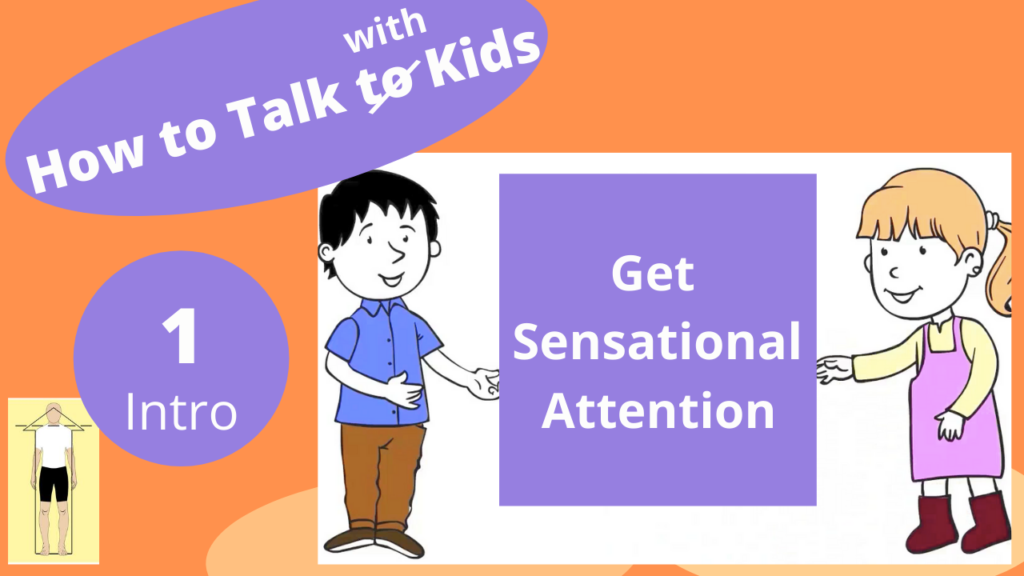
A school-wide program (or by classroom) that stopped bullying, improved test scores, and relieved stress school wide.
( √ ) Which GSA track is most recommended?
As mentioned above…
The Most Recommended Track: The (GSA) Long Track (GSA) program achieves “sustainable” results. Children learn from within their bodies how to help themselves for years to come. When they feel inside their bodies, they focus their attention on sensations. The results? Children calm down and become compassionate.
This program has been tested for eight years. It has been proven effective in eliminating bullying and decreasing stress. It also decreases depression in elementary schools.
TIP! The key to success: Start the program with fun! Teach the children through movement with the Personal Bubbles Freeze Dance game. Just follow the long track and it will take you through the movement game.
( √ ) What skills will our students achieve with this GSA program?
Kindness
Improved Academic Scores
Conscious School Culture
Clearer Communication
Most Importantly, Integrity
( √ ) How does WTM use “Movement” to teach the Mind/Body connection?
In children, movement and the sensation of movement inside the impulses of the body give concrete images of the self. By turning attention inside to what we call the Sensory Body (SB), children find their best friend. Their “friend” is compassionate. It is introduced through movement impulses of breath, thought, and action. This friend will help them better themselves and their ways. And as they age, the SB evolves.
When children turn their attention inward to sensation, they have a choice. Do they want to choose their familiar reactions? Children have a heart of gold. They can chose kindness and compassion easier than adults. If a child learns from the body, there is a window of opportunity to not react. Without reactions there is a choice, and external distresses change. Their focus changes. Their direction of their attention changes. Children then have an easier time shifting attitudes and an understanding of the circumstance. (Adults need more practice but can do it too!)
Participants find what we call “Home.” Home is a grounding physical feeling inside that comes into the foreground of external stress. The effect? Children’s reactions calm, clarity arises, and communication becomes productive.
We use the breath to find “Home.” However, be cautious. This is NOT about taking an exhalation to calm down. Children are often told to take deep breaths to calm down but this process takes them one step further. It helps them feel the sensations of their bodies and find where the sensitivity of emotion is physically coming from.
More information can be found in two more lessons. (book) They are Ho’oponopono Home and No Place Like Home Breath. The lessons guide the children through a living, breathing experience of how the body and mind work together.
Are there simpler lessons?
Yes! In this book there are lessons that take between 5 minutes to 30 minutes.
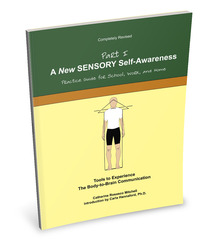
A New SENSORY Self-Awareness

Mahalo for your support. All proceeds go towards helping other children.
Thank YOU!